

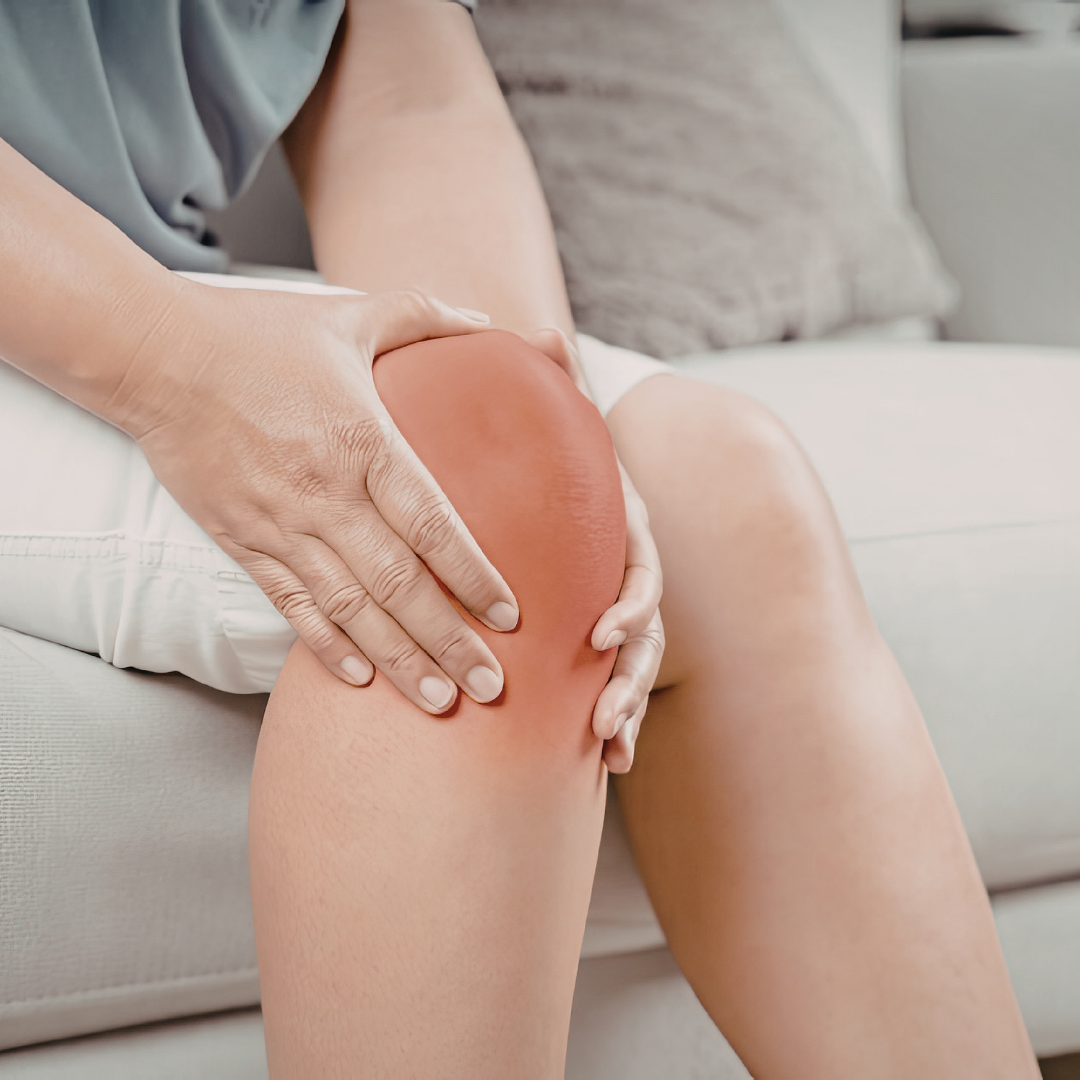
You wake up in the morning and your knees feel like rusted hinges. You reach for your morning cup of teh tarik and your wrists ache before you've even taken a sip. You climb a single flight of stairs and your hips protest the whole way up. Sound familiar? If you're a woman in your 40s or 50s, you've probably shrugged this off as biasa lah — just part of getting older. But here's what most doctors don't tell you: joint pain in women at this stage of life is often directly linked to perimenopause and menopause, not simply to age. Oestrogen isn't just a reproductive hormone. It plays a quiet but powerful role throughout your entire body, including your joints. It has natural anti-inflammatory properties, helps maintain the cartilage that cushions your joints, keeps synovial fluid — the body's natural pelincir, or lubricant — at healthy levels, and damps down the kind of chronic low-grade inflammation that makes joints stiff and sore. When oestrogen levels begin to decline, as they do during perimenopause typically starting in your early-to-mid 40s, all of that protective function starts to drop off too. The result is joints that feel dry, kaku, and painful — especially first thing in the morning or after sitting still for a long stretch. This condition is sometimes called menopausal arthralgia — joint pain specifically triggered by hormonal changes — and studies suggest that up to 50–60% of women going through the menopause transition experience some form of it. Yet most women suffer in silence because nobody told them it was connected to their hormones at all.
The joints most commonly affected follow a recognisable pattern. The lutut, or knees, are especially sensitive to shifting oestrogen levels — many women notice their knees becoming louder (cracking and popping when going up stairs) and increasingly painful as hormones fluctuate. The hands and jari are another telltale sign: morning stiffness in the fingers, swollen knuckles, and difficulty gripping a jar lid or opening a bottle are classic early indicators. Pinggul, or hip pain, can range from a deep dull ache to sharp discomfort when walking, standing, or trying to sleep on your side at night. The shoulders and neck often carry extra tension during hormonal shifts, particularly in the months leading up to an irregular period during the perimenopause years. And the lower back — tulang belakang — is a site where the loss of oestrogen can accelerate wear and tear on the vertebral discs, contributing to that nagging chronic ache so many women in their mid-forties develop seemingly out of nowhere. It's worth noting how different this is from ordinary arthritis. Menopausal joint pain tends to come on suddenly, often within months of noticeable hormonal shifts. It is frequently symmetrical, affecting the same joints on both sides of the body at once. It tends to move around — sakit here one week, somewhere else the next — and it often correlates with other perimenopause symptoms like hot flushes, night sweats, disrupted sleep, and brain fog. If your joints started aching around the same time your haid became irregular, there is almost certainly a hormonal story at the root of it.
For women in Asia specifically, a few additional factors can amplify this pain. Diet is a big one — a daily intake high in processed foods, refined sugars, and the kinds of cooking oils used heavily in mamak and fast food raises systemic inflammation throughout the body, turning up the volume on joint pain that might otherwise be manageable. Despite living in a country flooded with year-round sunshine, many Asian women are deficient in Vitamin D — gaya hidup dalam bangunan, long office hours, and cultural dress practices mean that actual sun exposure on skin is often minimal. Vitamin D is critical to both bone and joint health, and low levels make the hormonal impact on joints significantly worse. Physical inactivity is another compounding factor: joints need movement to stay lubricated, and a sedentary desk-based lifestyle — extremely common across urban Malaysia — accelerates the stiffness and pain cycle. The good news is that all of these are things you can act on. Moving every day, even gently, through walking, swimming, or yoga keeps synovial fluid circulating and loosens morning stiffness. Cutting back on sugar and ultra-processed food, and adding anti-inflammatory staples like kunyit, fatty fish, leafy greens, and berries to your regular meals makes a real and measurable difference. Getting your Vitamin D levels tested — a simple blood test — and supplementing if you're deficient (very common, and very fixable) is one of the highest-impact things you can do for both joint and bone health. And prioritising sleep is not optional: your body repairs cartilage and joint tissue during deep sleep, and chronic sleeplessness accelerates the very degeneration that causes pain.
This is also where targeted supplementation becomes genuinely valuable. Bahan-bahan semula jadi — natural ingredients — like EstroG-100, a clinically studied plant-based extract, have been shown to support hormonal balance during the menopause transition, which in turn can reduce the hormonally driven joint pain that has nothing to do with ageing and everything to do with oestrogen. At Menoplus, we formulated M+ Balance specifically for women navigating this transition — halal-certified, grounded in clinical evidence, and trusted by thousands of Malaysian women who were tired of being dismissed with "you're just getting older." You are not just getting older. Your body is changing hormonally, and it deserves support that understands that. Take the free Menopause Symptom Quiz at https://product.mplusmenopause.com/quizsubmission get a personalised recommendation in under three minutes, or try the MPlus Tester Pack at https://www.mplusmenopause.com/products/starter-pack-m-balance-14-days--1 before committing to a full order. Your sendi — your joints — have been holding you up your whole life. It's time to hold them up in return.