
There is a reason high blood pressure earned the name "silent killer." It does not announce itself with dramatic pain or obvious warning signs. It simply builds, quietly, in the background — while you carry on with your life, probably assuming that the headache you felt last Tuesday was just stress, and that the occasional dizziness was just from standing up too fast.
For women in perimenopause and menopause, this silence is even more dangerous. Because here is what most people — including many doctors — do not tell you: oestrogen is not just a reproductive hormone. It actively protects your blood vessels. It keeps them flexible, helps them dilate properly, and plays a quiet but powerful role in regulating your blood pressure. So when oestrogen begins its long, gradual descent in your 40s, your cardiovascular risk rises along with it. Diam-diam, as we say. Without fanfare.
According to the Malaysian Clinical Practice Guidelines, a blood pressure reading above 140/90 mmHg on at least two separate occasions is classified as hypertension. But even readings in the "at risk" range — 130–139/85–89 — deserve attention. And here is the statistic that should make you pause: 1 in every 3 Malaysians has hypertension, and a significant proportion of those aged 18–39 do not even know they have it. By the time menopause arrives, many women have been living with undetected high blood pressure for years.
The symptoms you might be dismissing as "just menopause" — the headaches, the heart palpitations, the feeling of pressure in your chest, the difficulty sleeping — can also be signs that your cardiovascular system is under strain. This is not to cause alarm. It is to say: these symptoms deserve to be taken seriously, not explained away as normal ageing.
Uncontrolled high blood pressure, over time, damages your heart, your kidneys, your vision, and your brain. It raises your risk of heart attack and stroke. These are not distant, unlikely outcomes — they are real consequences of something that is completely manageable when caught early. Jaga diri sekarang, supaya kita tidak menyesal kemudian.
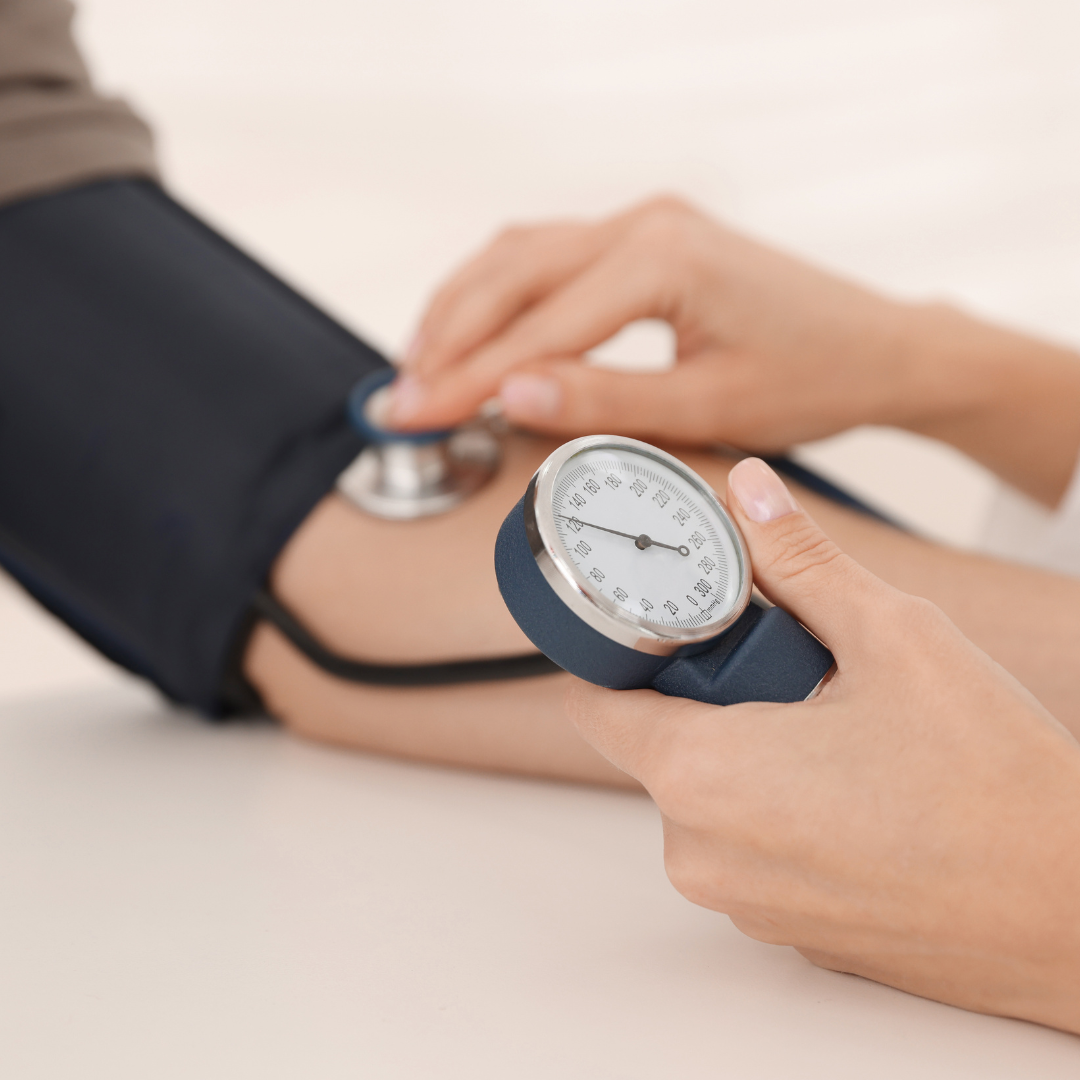
The good news is that monitoring your blood pressure at home has never been easier or more accessible. A quality automatic upper-arm blood pressure monitor — the kind recommended by the American Heart Association — is all you need. Before you measure, follow the REST principle: Relax for five minutes, Eliminate caffeine, alcohol, and smoking for at least 30 minutes beforehand, Sit correctly with your back supported and feet flat on the ground, and Talk less while the cuff inflates. Take two readings one minute apart, morning and evening. Record everything, and share the results with your doctor. It takes less than five minutes and it could genuinely save your life.
Now, here is where menopause management and blood pressure prevention overlap in ways that are deeply encouraging. The lifestyle shifts that ease menopause symptoms are often the very same ones that protect your heart and keep your blood pressure in a healthy range.
Movement is medicine. A sedentary lifestyle is one of the leading contributors to hypertension, and it is also one of the fastest ways to worsen menopause symptoms like mood swings, joint pain, and poor sleep. You do not need to train for a marathon — a 30-minute brisk walk most days, some light resistance training, and gentle yoga for stress and flexibility will do more for your blood pressure and your hormonal wellbeing than most people realise. Gerak badan sikit setiap hari, bukan sekadar nasihat doktor — ia ubat sebenar.
What you eat matters enormously. High salt intake is a primary driver of hypertension, and the Malaysian diet — as delicious as it is — is notoriously high in sodium. Reducing processed foods, eating more vegetables, fruits, and whole grains, and choosing lower-sodium versions of your favourite dishes are changes that compound over time. Good nutrition also supports hormonal balance during menopause, so this is one investment that pays dividends across the board.
Chronic stress is a hidden but powerful force behind both high blood pressure and menopause symptom severity. When we are under constant stress, cortisol stays elevated — and elevated cortisol constricts blood vessels, disrupts sleep, and worsens hot flushes. Finding daily practices that genuinely bring your nervous system down — whether that is breathwork, solat, time in nature, journaling, or simply laughing with people you love — is not a luxury. It is part of your health protocol.
Sleep, too, is where so much healing happens, and so many menopausal women are running on fragmented, poor-quality sleep without realising the toll it is taking on their blood pressure and their overall health. If sleep is a struggle for you right now, know that it is one of the most important things to address — not push through.
And if you are looking for natural support to help your body navigate this hormonal transition more smoothly, M+ Balance was formulated specifically for women like you — with EstroG-100, a clinically studied plant-based ingredient that helps ease menopause symptoms gently and without synthetic hormones. Supporting your hormonal health holistically is one of the most powerful things you can do for your cardiovascular health too, because the two are not separate conversations.
World Hypertension Day, observed on 17th May each year, is a reminder that prevention is always better than treatment. But for women in midlife, every day is an opportunity to pay attention — to check in with your body, to take that reading, to make one slightly better choice at the dinner table, to go to bed a little earlier.
You have spent decades taking care of everyone else. Jaga diri sekarang. Your heart is worth it.