

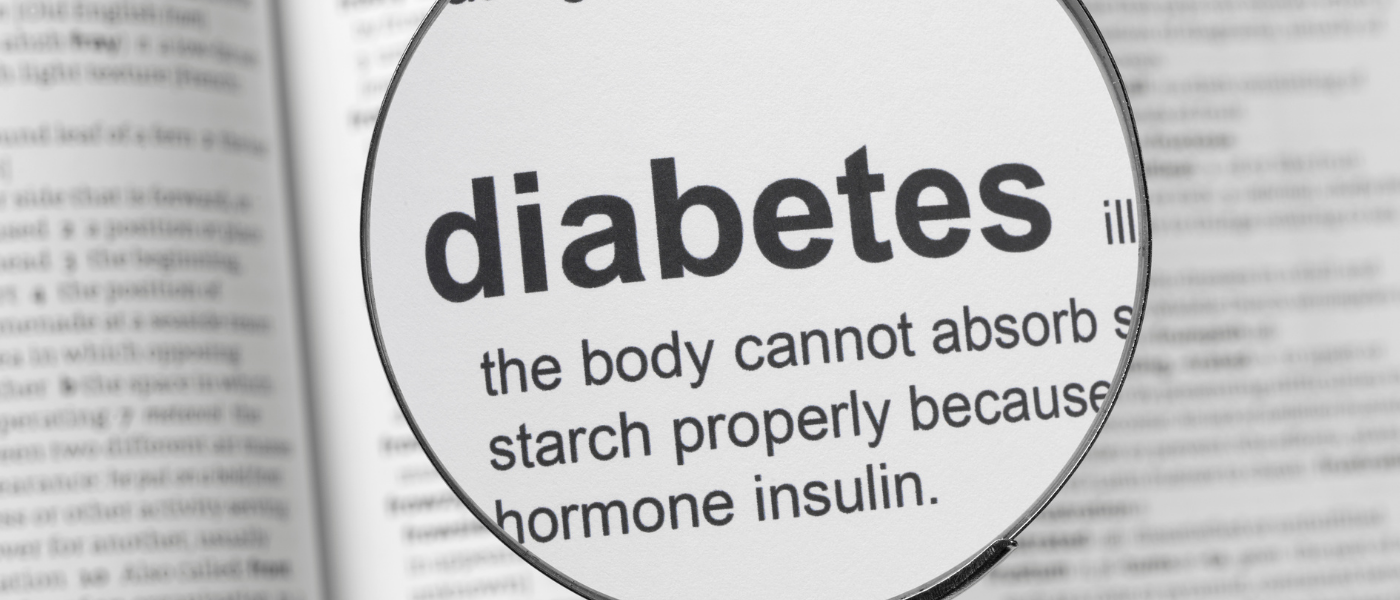
If you are a woman in your forties or fifties and you have started to feel like your body is keeping secrets from you, you are not imagining it. The hot flushes, the broken sleep, the stubborn weight that settles around your middle no matter how carefully you eat — these are the headline symptoms of perimenopause everyone talks about. But there is a quieter change happening beneath the surface, one that rarely gets mentioned at the kopitiam or even in the doctor's office: the way your body handles blood sugar is shifting, and that shift can open the door to type 2 diabetes.
This matters more than most women realise. In Malaysia, diabetes is already one of our most common chronic conditions, and women navigating menopause sit in a window of rising risk. Understanding why gula dalam darah (blood sugar) becomes harder to manage during this stage of life is the first step to protecting yourself — and the good news is that small, consistent habits make a real difference.
To understand the link, we have to talk about estrogen. For most of your adult life, estrogen has been doing far more than regulating your menstrual cycle. It is a quiet partner in how your body uses insulin, the hormone that ushers glucose out of your bloodstream and into your cells for energy. Estrogen helps keep your cells sensitive to insulin, meaning they respond efficiently and your blood sugar stays balanced. It also influences where your body stores fat, favouring the hips and thighs rather than the abdomen.
When perimenopause arrives and estrogen levels begin to drop and fluctuate — often wildly, month to month — that quiet partnership starts to break down. Your cells become more resistant to insulin. To compensate, your pancreas pumps out more and more insulin to do the same job it once did easily. This state, known as insulin resistance, is the precursor to type 2 diabetes. Glucose that should be feeding your muscles instead lingers in your bloodstream, and over time those rising levels can tip into prediabetes and then diabetes itself.
The dropping estrogen also changes where fat is stored. Many women notice that even without eating differently, weight begins to gather around the abdomen — the dreaded "menopause belly." This is not just a cosmetic frustration. Visceral fat, the fat that wraps around your internal organs, is metabolically active in a harmful way. It releases inflammatory signals that worsen insulin resistance further, creating a frustrating cycle where falling estrogen leads to belly fat, and belly fat makes blood sugar even harder to control.
Sleep, that other casualty of perimenopause, deepens the problem. When night sweats and insomnia leave you exhausted, your body's stress hormone cortisol rises. Cortisol pushes blood sugar up and makes you crave quick carbohydrates and sugary comfort food — exactly the things that spike glucose. One bad night becomes a bad week, and the metabolic toll quietly accumulates.
There is another reason women going through menopause should pay close attention to blood sugar, and it brings us back to where this conversation often starts: the body's nerves and circulation. Persistently high blood sugar damages the small blood vessels that feed your nerves, particularly in the feet and legs. This is how diabetic peripheral neuropathy develops — that tingling, pins-and-needles, burning, or sudden electric-shock sensation that many people dismiss until it becomes serious. If you have noticed numbness or tingling in your feet, please do not ignore it. It can be an early warning that your nerves are under strain, and it deserves a conversation with your doctor.
So what can you actually do? The encouraging truth is that the menopause years are also one of the best windows to take control, because your body responds quickly to the right changes.
Start with movement, because muscle is your secret weapon against insulin resistance. When you move, your muscles pull glucose out of your blood without needing as much insulin. You do not need to punish yourself at the gym. A brisk twenty-minute walk after meals, some simple strength work two or three times a week, and gentle circulation exercises for your feet and legs all add up. If neuropathy or stiffness is already a concern, even seated exercises — toe raises, ankle rotations, gently flexing and curling the toes — help keep blood flowing to your lower limbs.
Pay attention to what is on your plate, but with kindness rather than restriction. Building meals around protein, fibre, and healthy fats slows down how quickly glucose enters your bloodstream, smoothing out the spikes and crashes that drive cravings and fatigue. That means more sayur, beans, fish, eggs, nuts, and whole grains, and being mindful of sugary drinks, white rice in large portions, and the kuih that is so easy to reach for when energy dips in the afternoon. You do not have to give up the foods you love — it is about balance and portion, not perfection.
Protect your sleep as if it were medicine, because metabolically, it is. Managing hot flushes and night disruption, keeping a cool and dark bedroom, and steadying your evening routine all help lower the cortisol that sabotages blood sugar overnight.
And do not underestimate the value of knowing your numbers. A simple blood test for fasting glucose and HbA1c gives you a clear picture of where you stand. If you are in perimenopause and have a family history of diabetes, carry extra weight around the middle, or have noticed symptoms like increased thirst, frequent urination, fatigue, or tingling feet, it is well worth asking your doctor for a check. Catching insulin resistance early, before it becomes diabetes, means you have every chance to turn it around.
The thread running through all of this is that perimenopause and blood sugar are far more connected than most women are ever told. The drop in estrogen, the rise in insulin resistance, the shift toward belly fat, the disrupted sleep — they are not separate problems to suffer through in silence. They are pieces of one picture, and once you see the picture, you can act on it.
You deserve to move through this stage of life feeling strong, clear, and in control of your health rather than at the mercy of it. If this resonates with you, I would love for you to go deeper with me. I run a free webinar where we unpack exactly how hormones, blood sugar, and metabolism interact during menopause — and the practical, realistic steps you can take to protect yourself. Save your spot at my free webinar here and learn how to support your body through this transition with confidence.
Your symptoms are real, and so is your power to do something about them. Join the free webinar and take the next step today.