

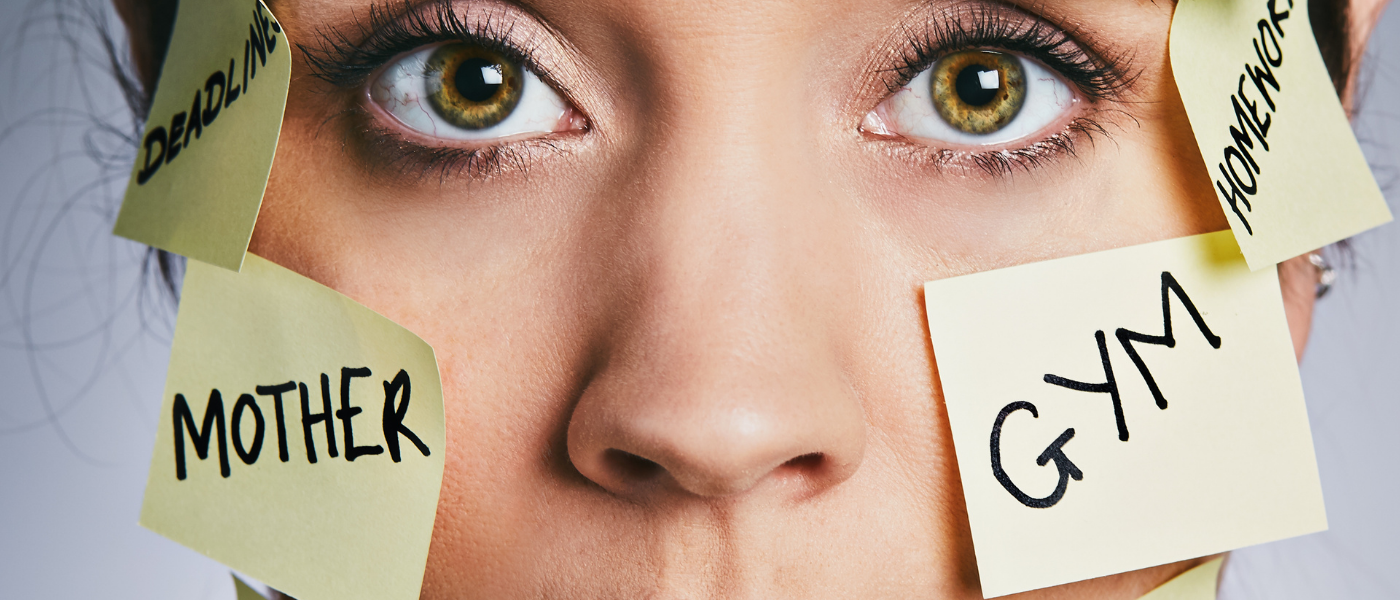
There was a woman named June.
If you met her, you would probably think she was the “healthy one.”
She exercised almost every day.
She watched what she ate.
She avoided junk food.
She took supplements.
She rarely drank alcohol.
From the outside, she looked disciplined and strong.
But behind closed doors, June was surviving on stress.
She worked in a highly charged environment where every phone call felt urgent, every email demanded an immediate reply, and every mistake felt costly. Her mind never switched off. Even while eating dinner, she was checking messages. Even during weekends, her shoulders stayed tense. Even on holidays, she carried her stress with her.
And like many women, she wore her exhaustion like a badge of honour.
“I’m fine.”
“I just need to push through.”
“I’ll rest later.”
But the body keeps score.
Over time, June started getting sick more often. Small infections became common. Her digestion became unpredictable. She felt bloated, exhausted, anxious and wired at the same time. Her sleep was poor, but she still woke up early to exercise because she believed she just needed to “try harder” to stay healthy.
What she did not realise was this:
You cannot heal in survival mode.
Stress is not just an emotion. It is chemistry.
When the body is under constant pressure, it releases cortisol, our primary stress hormone. Cortisol is not bad in small amounts. In fact, it helps us survive danger. It increases alertness, regulates blood sugar and helps the body respond during emergencies.
But the problem today is many people are living in emergency mode every single day.
The body cannot tell the difference between escaping a tiger and answering stressful emails at midnight. It reacts the same way.
When cortisol stays elevated for long periods, healing slows down.
Research has shown that chronic stress and elevated cortisol levels can weaken the immune system, increase inflammation, disrupt digestion, impair sleep, affect blood sugar regulation and even slow wound healing. Studies from institutions like the American Psychological Association and published journals in psychoneuroendocrinology have consistently linked chronic stress to poorer health outcomes.
And for women in midlife, this becomes even more complicated.
Hormonal shifts during perimenopause and menopause already place stress on the body. Add emotional stress, caregiving responsibilities, financial worries, relationship strain and work pressure, and many women find themselves permanently stuck in “fight or flight.”
This is why some women say:
“I’m eating healthy but I still feel terrible.”
“I’m exercising but my body is inflamed.”
“I’m trying so hard but I’m still exhausted.”
Because health is not only about food and exercise.
Your nervous system matters too.
June learned this the hard way.
One day, the stomach pain became unbearable.
At first, she ignored it. Like many high-functioning women, she pushed through meetings, deadlines and responsibilities while silently suffering. She took quick medications, skipped rest and told herself she would deal with it later.
But later finally arrived in the form of a hospital bed.
June was diagnosed with severe stomach ulcers and ended up hospitalised for 30 days.
Thirty days.
A woman who had spent years trying to stay healthy suddenly found herself physically broken down.
And during those quiet hospital nights, she realised something painful:
Her body had been whispering for years before it started screaming.
The migraines.
The bloating.
The constant fatigue.
The tension in her chest.
The inability to relax.
The frequent illnesses.
None of it came overnight.
The body often sends small signals first. But many of us have become so disconnected from ourselves that we only stop when the body forces us to.
That hospital stay changed June.
Not because she suddenly found a miracle supplement or the perfect diet.
But because she finally understood that healing also requires safety, stillness and rest.
She started creating small moments of decompression in her life.
She took walks without her phone.
She learned to say no without guilt.
She stopped glorifying burnout.
She allowed herself to sit in silence.
She focused on deep sleep.
She spent more time laughing with people she loved.
She stopped treating rest like laziness.
And slowly, her body responded.
This is something modern society rarely teaches us.
We are taught to optimise everything except our stress levels.
We count calories but not the emotional burden we carry.
We track steps but ignore chronic anxiety.
We celebrate productivity while quietly normalising exhaustion.
But chronic stress changes the body.
High cortisol levels have been associated with increased abdominal fat, higher blood pressure, poorer memory, anxiety, depression, lowered immunity and digestive disorders. Chronic stress can even affect gut lining integrity, which is why many people under prolonged stress develop stomach issues, IBS symptoms or ulcers.
And perhaps one of the saddest things is this:
Many women become so used to stress that calmness feels uncomfortable.
They no longer know how to rest without guilt.
But healing was never meant to happen in constant chaos.
The body repairs itself when it feels safe.
This does not mean quitting your job, disappearing into the mountains or avoiding responsibility. Realistically, most people cannot do that.
But it does mean respecting your nervous system enough to create moments of recovery.
Sometimes healing starts with very small things:
Taking 10 deep breaths before reacting.
Eating slowly instead of rushing meals.
Sleeping earlier.
Stepping outside for sunlight.
Talking about your feelings instead of suppressing them.
Allowing yourself to ask for help.
Small moments of peace repeated consistently can change the chemistry of the body over time.
June often says now, “I spent years trying to control my food, but I never realised stress was eating me alive.”
That sentence stays with me.
Because so many people today are silently carrying invisible pressure while wondering why their bodies are struggling.
Your body is not trying to betray you.
Sometimes it is simply begging you to slow down long enough to listen.
And maybe true health is not just about how hard we push ourselves.
Maybe true health is also about how safe, supported and rested we allow ourselves to feel.
For every woman reading this who feels constantly tired, inflamed, anxious or unwell despite “doing everything right” — please remember this:
Your body needs nourishment.
But it also needs peace.