

You put on your jeans this morning. They fit fine. By 3pm, they feel like they've shrunk two sizes, your stomach looks five months pregnant, and you haven't eaten anything wild — just your normal lunch. Sound familiar? Perut kembung, tak tahu kenapa. Bloated, and you genuinely have no idea why.
If you've quietly wondered whether something's wrong with your gut, your diet, or your willpower, I want you to hear this first: it's very likely none of those things. It's your hormones. And you are absolutely not alone in this — bloating is one of the most common, most underdiscussed symptoms of the menopause transition, and it deserves a real explanation instead of "just eat less."
Wait, Is Bloating Actually a Menopause Thing?
Yes — genuinely, and more than most women realize. A study presented at The Menopause Society's 2025 Annual Meeting followed nearly 600 women aged 44 to 73 and found that a striking 94% reported digestive symptoms during perimenopause or menopause. Bloating topped the list at 77%, followed by constipation (54%), stomach pain (50%), and acid reflux (49%). The majority — 82% — said these symptoms either started or got noticeably worse specifically during perimenopause or menopause, not before.
Here's the part that made me sit up when I first read it: more than half of the women in that study experience these symptoms daily or weekly, and 55% said it meaningfully affects their quality of life. Yet only about half had sought help for it — and of those who did, more than half found the support they got "inadequate." In other words: this is common, it's disruptive, and it's under-talked-about, kan? So if your doctor visits haven't touched on this, you're not imagining that gap either.
What's Actually Happening In There?
Estrogen and progesterone aren't just reproductive hormones — they're deeply wired into how your digestive system runs day to day. As they start their perimenopausal rollercoaster (less a smooth decline, more a rollercoaster with no seatbelt), a few things happen at once inside your gut:
- Fluid retention. Fluctuating estrogen and progesterone levels affect how your body manages fluid balance, and that shows up as puffiness — including that "swollen stomach by evening" feeling — even without any change in what you ate.
- Slower digestion.Both hormones influence how quickly food moves through your digestive tract. When that transit time slows down, gas and fullness have more time to build up before things move along.
- A more sensitive gut. There are estrogen receptors located throughout your digestive system, which means hormonal swings can genuinely make your gut more reactive and more aware of normal digestive processes — so the same amount of gas that never bothered you before can suddenly feel like a lot.
- A shifting gut microbiome. This is the piece most women have never heard of, so bear with me for a second — your gut hosts a specific community of bacteria researchers call the "estrobolome," which helps process and recycle estrogen in your body. As hormone levels shift during perimenopause, this microbial community shifts too, and an imbalanced estrobolome has been linked to — you guessed it — bloating, along with brain fog, mood changes, and skin issues. It's genuinely a two-way relationship: your hormones affect your gut, and your gut affects your hormones right back.
None of this means your digestive system is broken. It means it's adapting to a new hormonal environment, the same way the rest of your body is — and adaptation, while uncomfortable, is very much workable.
Kenapa Ia Selalu Lagi Teruk Waktu Petang
Notice it's worse by evening, almost like clockwork? That's genuinely common — fluid tends to accumulate through the day, and a full day of eating, sitting, and (for a lot of us) stress means gas and slower digestion have had all day to build up. Waking up flatter and puffing up by dinner isn't a sign anything's wrong; it's just the rhythm of what your body's dealing with right now.
What's Making It Worse (Besides Hormones)
Hormones are usually the root cause, but they rarely act alone. A few common co-stars worth knowing about:
- Stress and cortisol.Chronic stress slows digestion and can worsen gut sensitivity — and let's be honest, perimenopause itself is often a stressful season, so this becomes a bit of a loop.
- Low fiber diversity. A narrow, low-fiber diet supports a less diverse gut microbiome, which research links to more digestive symptoms, not fewer.
- Carbonated drinks and highly processed foods. These can worsen gas and water retention on their own, hormones aside.
- Not drinking enough water. Counterintuitively, dehydration can make your body hold onto fluid more, not less.
When Is It Worth Getting Checked?
Most menopause-related bloating is uncomfortable but harmless, and tends to respond well to food and lifestyle changes. That said, please see your doctor if bloating comes with unexplained weight loss, persistent severe pain, blood in your stool, or bloating that's new, constant, and doesn't ease up at all — this isn't to alarm you, it's simply good practice to rule out other causes so you can focus on feeling better with peace of mind.
What Actually Helps — Beyond "Just Drink More Water"
The good news: bloating is one of the more responsive menopause symptoms when it comes to diet and lifestyle. Here's what actually makes a difference, based on both the research and what I've seen work again and again with women in our Hormone Reset community.
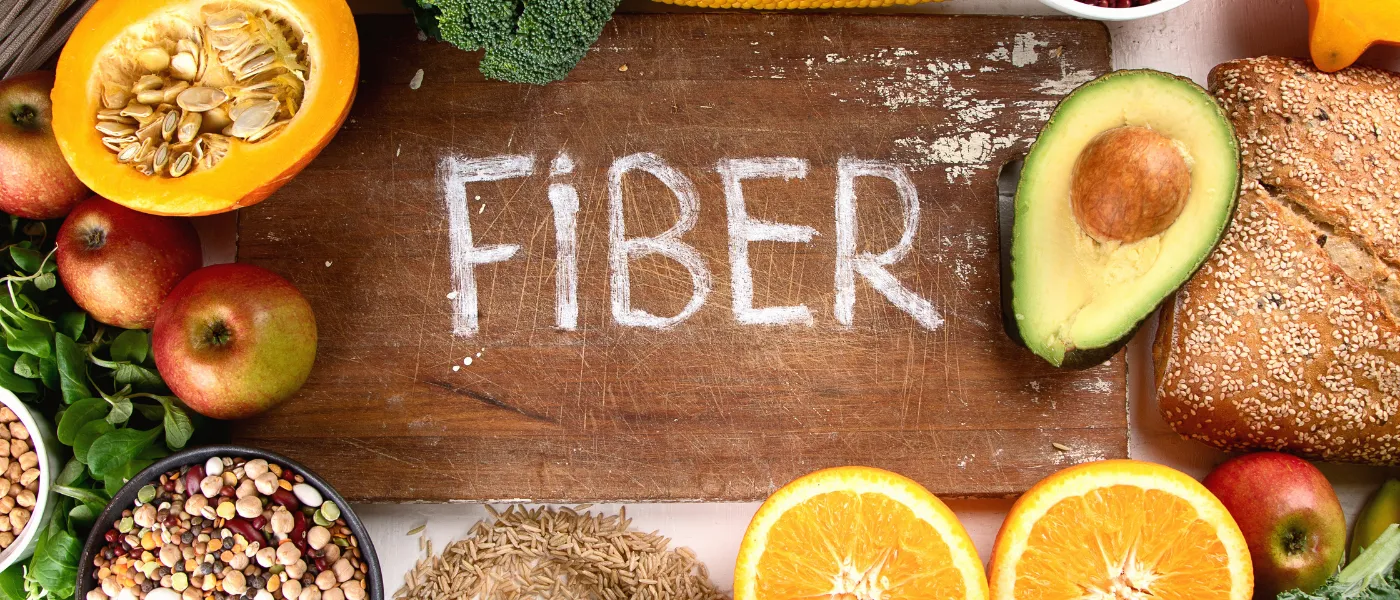
Build fiber gradually, not all at once. Fiber feeds a diverse gut microbiome, which supports a healthier estrobolome — but adding a huge amount suddenly can backfire and cause more gas short-term. Increase slowly: vegetables, legumes, oats, and flaxseed are all excellent, gentle starting points.
Lean into phytoestrogen-rich plants. Foods like flaxseed, soy, and cruciferous vegetables (broccoli, kale, Brussels sprouts) contain lignans that your gut bacteria can convert into gentle, plant-based compounds that support hormone balance — a genuinely food-first way to work with your changing hormones rather than against them.
Add fermented foods. Tempeh, miso, kimchi, and unsweetened yogurt introduce beneficial bacteria that support microbial diversity — one of the most consistent recommendations across the gut-hormone research.
Move after meals. Even a gentle 10-minute walk after eating helps food move through your digestive tract more efficiently, easing that trapped, bloated feeling.
Manage stress on purpose. Since cortisol slows digestion, a few minutes of real stress recovery — breathwork, a short walk, genuinely putting your phone down — isn't a "nice to have" here. It's doing physiological work.
Watch your sodium and swap the fizzy drinks. Both water retention and gas respond well to simply dialing these back, without needing to overhaul your entire diet.
You're Not Broken — Your Gut Is Just Recalibrating
Menopause bloating is real, common, and — importantly — explainable. It's not a mystery intolerance you need to chase down, and it's not a sign you're doing something wrong. It's your hormones and your gut microbiome adjusting together, and with the right, food-first support, it's absolutely something you can ease.
This is exactly why our Hormone Reset approach leans so heavily on fiber-rich, plant-based nutrition and targeted plant-based support — because when you work with what your gut and hormones are actually doing, "feeling lighter" stops being a once-in-a-while thing and starts being your normal again. If bloating's been part of your daily background noise lately, take our quick quiz at www.mplusmenopause.com to find out what your body actually needs — no guesswork required.