

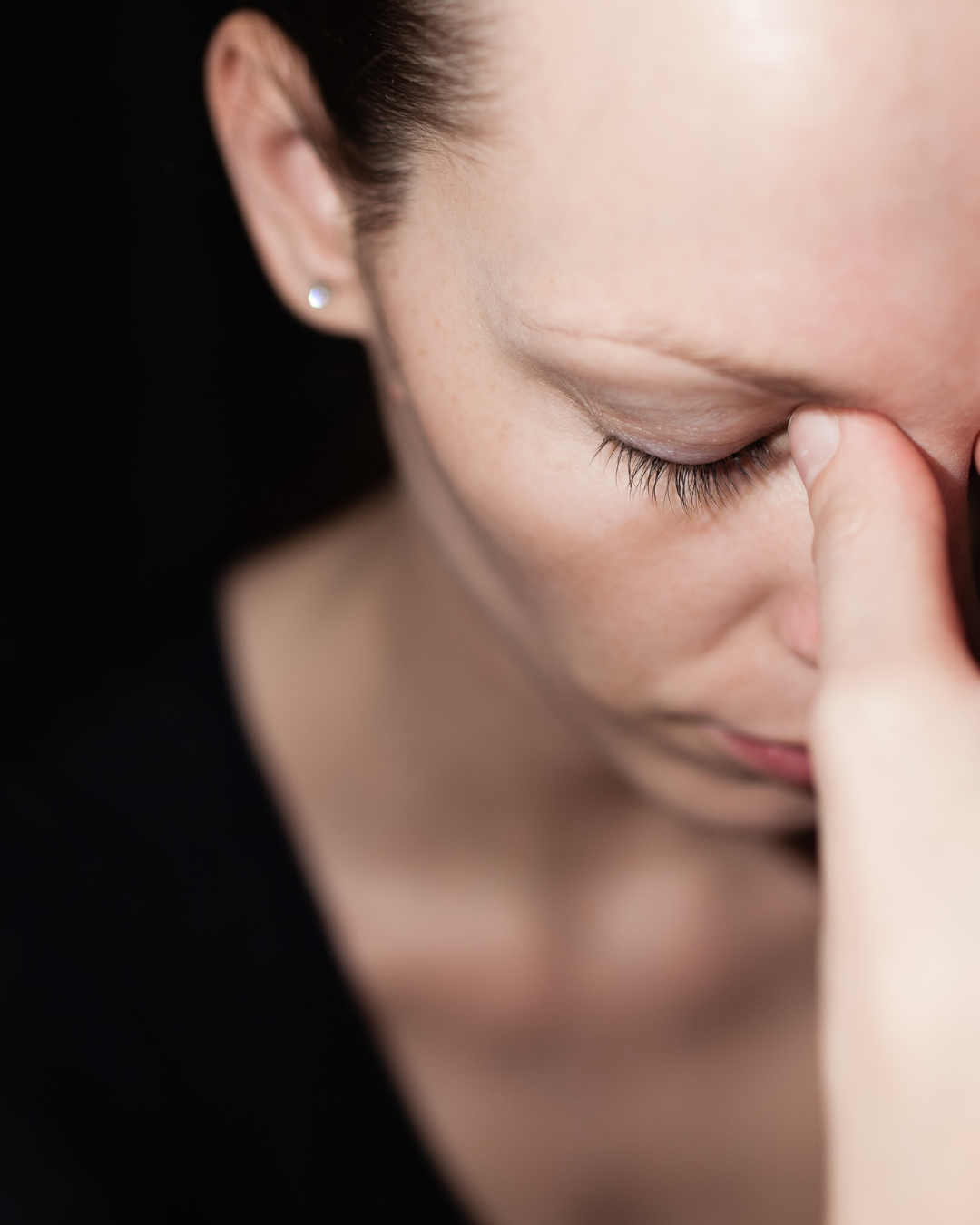
She is 58 years old. A woman who has spent most of her life caring for others. A loving wife, a devoted mother, the quiet anchor of her family. The one everyone turns to when things fall apart.
But lately… something feels different.
It started subtly. A little more impatience here and there. A sharper tone in conversations. Feeling overwhelmed by things that never used to bother her. Then came the tears — sometimes over something small, sometimes for no clear reason at all. On some days, she feels irritated from the moment she wakes up. On others, she feels low, flat, disconnected.
Her husband notices. Her children notice.
The home, once warm and easy, now feels tense. Conversations are shorter. Misunderstandings happen more often. There are moments of silence that feel heavy. And after each emotional reaction, she is left with something even harder to carry — guilt.
Because deep inside, she is asking herself a question she cannot answer:
“Why am I like this? This is not me.”
And that is the part that hurts the most.
Not the mood swings. Not the frustration. But the quiet, unsettling feeling that she no longer recognises herself.
This experience is far more common than most women realise. Across homes, across cultures, across different walks of life, many women in perimenopause and post menopause share this same unspoken thought: “I don’t feel like myself anymore.”
It is not always dramatic. Sometimes it shows up as a loss of patience. Sometimes as a constant low-level anxiety. Sometimes as emotional sensitivity that feels out of proportion. And sometimes, it is simply a feeling of being “off” — not quite who you used to be.
What makes it even more difficult is that it is invisible. There is no obvious sign. No physical injury. No outward marker that something has changed. From the outside, everything may look the same. But internally, everything feels different.
Many women begin to question themselves. They wonder if they are becoming difficult, too emotional, or unable to cope. Some blame stress. Some blame ageing. Some keep it to themselves, thinking they just need to “be stronger.”
But what if this is not about weakness at all?
What if this is biology?
What many women are experiencing during this phase is deeply connected to changes happening in the brain — driven by the decline of hormones, especially estrogen. Estrogen is not just a reproductive hormone. It plays a powerful role in brain function, particularly in areas that regulate mood, emotions, and mental clarity.
Throughout a woman’s reproductive years, estrogen supports key brain chemicals such as serotonin and dopamine. These are the very chemicals that help us feel calm, stable, motivated, and emotionally balanced. When estrogen levels begin to fluctuate and eventually decline during perimenopause and menopause, the balance of these brain chemicals is affected.
This is why emotions may feel less stable. It is why patience may feel shorter. It is why small things can suddenly feel overwhelming.
There is also a part of the brain called the amygdala — often described as the emotional centre. It is responsible for processing emotions like fear, stress, and anger. With hormonal changes, the amygdala can become more reactive. This means emotional responses can feel stronger, faster, and harder to control.
At the same time, the prefrontal cortex — the part of the brain that helps us think rationally, pause before reacting, and regulate our emotions — may not function as efficiently as before.
So what happens?
The emotional brain becomes louder.
The calming, rational brain becomes quieter.
And suddenly, reactions feel different. Not because the woman has changed her character, but because the internal balance of her brain has shifted.
This is why a woman who was once calm and patient may now feel easily triggered. Why someone who was emotionally steady may suddenly feel overwhelmed. Why reactions feel unfamiliar, even to herself.
And yet, because this is not widely talked about, many women personalise the experience. They think something is wrong with them.
But there is nothing “wrong” with them.
Their brain is adapting to a new hormonal environment.
This phase of life is not just a physical transition. It is also a neurological and emotional transition. Just as puberty brought emotional changes in younger years, menopause brings another wave of change — quieter, less visible, but just as powerful.
The effects ripple into daily life. Relationships can become strained. Misunderstandings happen more easily. A simple conversation can escalate into tension. And often, family members do not understand what is happening either.
This can lead to feelings of isolation. Of being misunderstood. Of carrying something that cannot be easily explained.
And yet, beneath all of this, there is something important to remember.
This is not a loss of self.
It is a shift.
The woman she has always been is still there. But her body and brain are going through a recalibration.
The path forward is not about finding one single solution. It is about understanding, supporting, and working with the body during this transition. Because just as this change did not happen overnight, balance also takes time and a combination of support.
Nutrition plays a role in supporting brain health and stabilising energy. Movement helps regulate mood and reduce stress. Sleep becomes even more important for emotional resilience. Managing stress can help calm the nervous system and reduce emotional reactivity. In some cases, the right supplementation can support the body through hormonal changes.
But perhaps one of the most powerful shifts comes from understanding.
Because when a woman understands what is happening inside her body, something changes.
She stops blaming herself.
She becomes more compassionate with herself.
She begins to respond differently — not from frustration, but from awareness.
And that awareness can slowly transform how she experiences this phase.
Instead of asking, “What is wrong with me?”
She begins to ask, “What does my body need right now?”
And that question opens the door to healing.
If you have ever felt like you are not yourself… if you have noticed changes you cannot explain… if you have felt emotions that seem unfamiliar or overwhelming — please know this:
You are not alone.
You are not becoming someone else.
You are moving through a transition that affects your brain, your body, and your emotions in ways that are real, valid, and deeply human.
And with the right understanding and support, you can find your balance again.
Not by going back to who you were…
But by stepping into a new version of yourself — one that is more aware, more attuned, and ultimately, more empowered.